
The proposed Solar Sharer Offer will provide three hours of free electricity to eligible households who opt in, starting in July 2026.
The Australian Government’s proposed Solar Sharer Offer (SSO) is designed to help households reduce their electricity costs by shifting some energy use to a free-power window during peak solar generation. Households with smart meters, whether they own or rent, and regardless of rooftop solar or home battery storage, can access at least three hours of free electricity in the middle of the day. Participation is optional and arranged through energy retailers, who must offer the free power period to eligible customers, allowing families to optimise their energy use and lower bills. Proposed to launch on 1st of July 2026, the SSO will initially cover Default Market Offer regions, including South Australia, NSW and South East Queensland.
Beyond household savings, the program aims to ease peak demand, support grid stability, and improve system efficiency, reducing reliance on coal-fired power stations. The program has been designed using community feedback, with free power times suited to local conditions and a usage limit that works for a typical family of five. Plans are underway to explore extending similar options to other areas.
What is the Solar Sharer Offer?
The Solar Sharer Offer (SSO) provides households with smart meter access to several hours of free daytime power during peak solar generation. Available to renters and owners alike, it helps families lower bills, manage energy use efficiently and supports grid stability, while remaining optional through participating energy retailers.
Who is eligible for the Solar Sharer Offer?
Households with smart meters can participate in the SSO, whether they rent or own their home, have solar panels or not. Initially, the offer will be available in Default Market Offer areas, including South Australia, New South Wales and South East Queensland, giving broad access to free midday electricity.
When does the Solar Sharer Offer start?
The SSO will begin on 1 July 2026. From this date, eligible households in the initial rollout regions can access the scheduled free power period during peak solar generation. This helps families reduce electricity costs and contributes to a more stable and efficient energy system.
How do you get involved?
- Make sure you’ve got a smart meter
You need a smart meter because it records when you use electricity, so your retailer can apply the free power period and “tariff” properly. If you don’t have one, contact your energy retailer about installing one.
- Confirm you’re in a participating region
The SSO will initially be available from 1 July 2026 in Default Market Offer areas such as South Australia, New South Wales and South East Queensland. It will be expanded to other regions, such as WA.
- Contact your energy retailer
Ask your provider whether they’ll offer the Solar Sharer plan and express your interest in signing up. Retailers will include the free power window as part of the plans you’ll have to choose from.
- Opt in to the SSO through your retailer
You must actively select the Solar Sharer Offer plan with your energy retailer. It will not automatically apply to all customers.
- Use electricity during the free power period
Shift energy-intensive activities like running washing machines, dishwashers, charging EVs or home batteries to the daily free power window to save on your electricity bill. You can even pre-heat or pre-cool your home during the free window, then keep it well-insulated to make the most of the free energy.
Why is the Solar Sharer Offer being proposed?
The SSO is intended to help households reduce electricity costs by encouraging energy use during periods when solar power is most abundant, allowing consumers without rooftop solar to benefit from cheap daytime generation. It also aims to make better use of excess solar energy, supporting a more reliable and efficient energy grid and easing pressure on evening peak demand, thereby lowering system-wide costs and smoothing wholesale electricity prices. Public consultation helped shape the offer to promote affordable energy use, equitable access to renewable benefits, and smoother demand throughout the day.
How the Solar Share Offer helps households save
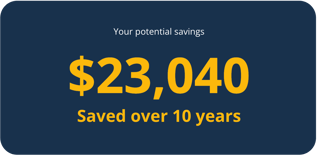
By using more electricity during the 3-hour midday free power period, households can reduce their power costs for the rest of the day. Shifting even a portion of daily usage to this window can deliver significant savings on bills.
Simple ways to use the free-power period:
- Run washing machines, dryers or other laundry appliances
- Charge phones, laptops, tablets and electric vehicles
- Use dishwashers, ovens, slow cookers or other kitchen appliances
- Operate air conditioners, heaters or fans to keep the home comfortable
- Run vacuum cleaners, water pumps or other energy-intensive household devices
- Operate garden irrigation systems or hydroponic pumps (note any local water restrictions)
- Run home workshops, including power drills, saws and sanding machines
Are Victoria and Western Australia considering a similar offer?
Victoria’s energy regulator is consulting on a midday free power tariff under the Victorian Default Offer, exploring whether a scheme similar to the Solar Sharer Offer could be introduced. Western Australia currently has no official plans or consultations for a comparable free-electricity program, with existing initiatives focused on battery incentives and rooftop solar support; however, it may offer the same to electricity customers.
Making the Most of Australia’s Midday Solar
The SSO allows households to directly benefit from free midday electricity by timing their energy use to coincide with solar generation at its peak. Families can reduce electricity bills, run appliances efficiently and take pressure off evening peak demand. This supports grid stability, reduces the risk of price spikes, and ensures excess solar energy is used effectively rather than wasted.
Beyond savings, it encourages smarter daily routines and energy awareness, giving households a practical way to contribute to a more reliable, sustainable electricity system while making the most of Australia’s abundant solar resources.
Have a question about solar + battery?