
Electricity prices in Western Australia are changing again from 1 July 2026, with new regulated tariffs confirmed by the State Government.
For most households, this means one thing: your electricity bill is going up (again).
In this guide, we break down exactly what’s changing, why it’s happening, and what you can do to take control of your energy costs, especially if you’re considering solar panels, a solar battery, or a Virtual Power Plant (VPP).
What’s changing with WA electricity prices in 2026?
The WA Government reviews regulated electricity prices every year, with Synergy applying the updated tariffs to residential customers across the South West Interconnected System (including Perth).
From 1 July 2026, the changes include a rise in standard residential electricity tariffs. The Synergy Home Plan (A1), used by most WA households, will increase by 2.75%:
-
Higher daily supply charges. Daily supply charge rising from 116.05c to 119.24c per day
-
Higher electricity usage rates. Usage rate increasing from 32.37c to 33.26c per kWh
-
Changes across time-of-use tariffs. For households on plans like Midday Saver or EV tariffs, peak, off-peak, and super off-peak rates are all increasing
-
Increases to some fees and charges. Certain service fees (like reconnection costs) are also rising
More information can be found on the Synergy website: Synergy Rates & Tariffs 2026
Why are electricity prices increasing in WA?
In Western Australia, electricity pricing is regulated by the State Government, not determined by a competitive retail market.
Each year, tariffs are adjusted to reflect:
- Rising costs of generating electricity
- Increased network and infrastructure costs
- Ongoing maintenance and grid reliability requirements
In short: as the cost of supplying electricity increases, those costs are passed through to households.
What does this mean for your electricity bill?
While a 2–3% increase may seem small, even minor changes can add up over time, especially when combined with previous price rises.
Electricity costs in WA have been steadily increasing year-on-year, driven by infrastructure and system costs.
For the average household, this means:
- Higher everyday energy costs
- Bigger winter and summer bills
- Less predictability in long-term energy expenses
The growing challenge: using power at the “wrong” time
One key driver of rising bills isn’t just pricing, it’s when you use electricity:
- Electricity is most expensive in the evening peak (typically 3pm–9pm)
This is also when most households use the most energy. If your home relies on grid electricity during peak hours, you’re paying the highest rates available.
Can solar panels alone protect you?
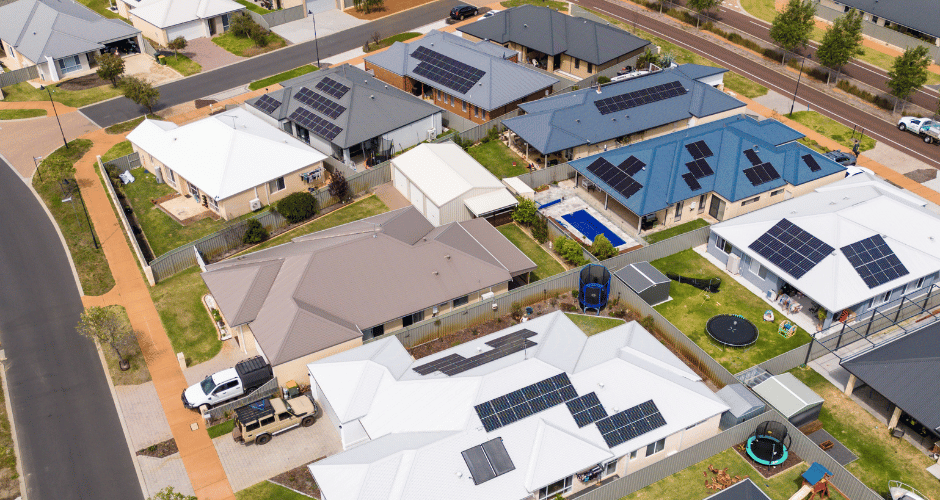
Installing solar panels is a great first step and can significantly reduce your energy bills.
But there’s a catch. Solar panels generate power during the day, when the sun is shining. Without a battery:
- Excess solar energy is exported to the grid
- You still need to buy electricity at night
As Synergy notes, solar energy is most effective when it’s used at the time it’s generated, otherwise, you’re not maximising its value.
Why more WA households are adding a solar battery
This is where solar battery systems are becoming increasingly important.
A solar battery lets you:
- Store your excess solar energy during the day
- Use it at night (when electricity is most expensive)
- Reduce your reliance on the grid
- Protect yourself from rising electricity prices
With electricity costs continuing to climb, using your own stored energy can deliver meaningful long-term savings.
And with the generous rebates on offer for batteries through until 2030, now is a great time to invest in both a solar and battery system. Note – these rebates drop every six months, so acting now should allow you to save more.
Solar + battery: a smarter way to manage rising electricity prices
At Plico, we’re seeing more households shift towards solar + battery systems to take control of their energy future.
Why? Because it solves both key challenges:
- Generates your own clean energy from rooftop solar panels
- Stores it for when you need it most with a home battery system
- Reduces exposure to peak electricity prices by avoiding expensive grid usage in the evening
- Supports the grid through Virtual Power Plants helping stabilise WA’s energy system
Looking ahead: should you act now?
Electricity prices in WA have increased gradually over time, and all indicators suggest this trend will continue.
While annual increases may appear modest, the compounding effect over years is significant.
That’s why more households are choosing to invest in solar earlier, add battery storage sooner, and lock in long-term energy independence
Ready to see what you could save?
Use our solar savings calculator or speak to the Plico team to understand how a solar + battery system could work for your home.
FAQs: WA electricity price changes 2026
When do the new electricity prices start?
From 1 July 2026 for all Synergy customers.
How much are prices increasing by?
Around 2.75% for the standard residential tariff, plus increases to some fees and charges. [synergy.net.au]
Will solar eliminate my electricity bill completely?
Solar reduces your bill, but without a battery you’ll still rely on grid electricity at night.
If you'd like a no-obligation on solar + battery, reach out to the switched-on people of Plico today. We can help you cut your power bills and even earn money from your excess energy with our Virtual Power Plant (VPP)!
Have a question about solar + battery?