
 Sarah Molloy
Plico community benefits go beyond the grid
 Zina Reeves : 14/01/2025
The Plico Community Fund extends the impact of Plico beyond the grid, supporting the broader community to drive positive change.



Solar + Battery Rebates, Loans and Discounts available!
Find out what incentives you're eligible for and how much you could save.

Interest-free loan now available!
Find out if you're eligible for the NSW $15,000 intertest-free loan.


Solar + Battery Rebates, Loans and Discounts available!
Find out what incentives you're eligible for and how much you could save.
Interest-free loan now available!
Find out if you're eligible for the WA $10,000 intertest-free loan.

%20LandingPage%20Icons-04.png?width=60&height=60&name=(RGB)%20LandingPage%20Icons-04.png)
.png?width=174&height=174&name=VPP%203000%20batteries%20stamp%20(2).png) Unlock more rebates when you join the Plico VPP!
Unlock more rebates when you join the Plico VPP!
You can access WA battery rebates and interest-free loans with Plico's Virtual Power Plant.
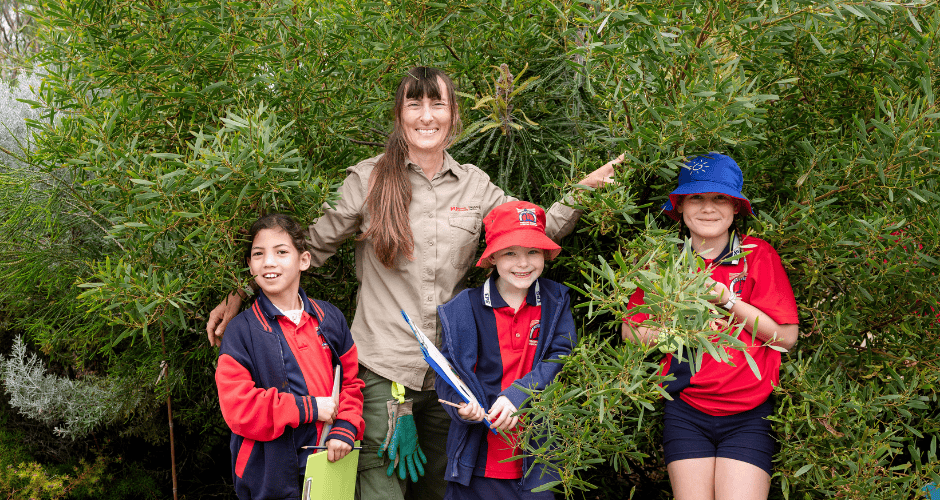
Schools across Perth are transforming their schoolyards into refuges for local biodiversity; creating thriving ecosystems and learning hands-on conservation skills along the way.
The Miyawaki Pocket Forest Outreach Program, run through the Harry Butler Institute at Murdoch University, is reshaping how children learn about nature, climate and biodiversity, and demonstrating how they can make a real and lasting impact on their local environment.
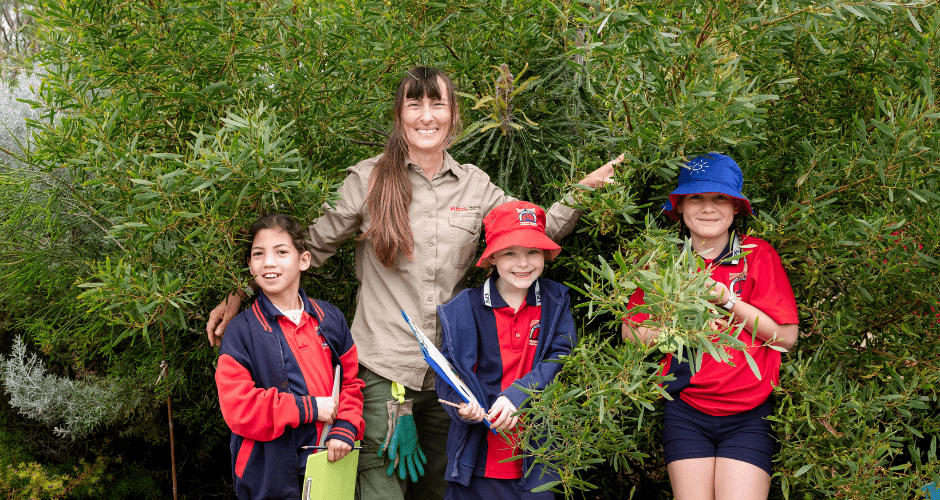
The Miyawaki method creates small, fast-growing native forests in small, usually urban spaces, to restore biodiversity, cool cities, and inspire hands-on environmental action.
Restorative ecologist Grey Coupland has delivered the Miyawaki project to 17 schools across Perth.
"Through this work, I engage children and community members in planting and monitoring their own forests, building a deeper connection with nature while contributing to climate resilience and ecological restoration. The program is one of 150 UNESCO ‘Green Citizens’ projects globally and has been recognised by the Australian Museum Eureka Prizes for its innovative approach to science engagement and community-led restoration, says Grey"
A key part of the program is engaging students to create and maintain the forest, while extending their knowledge in the classroom across a range of topics including ecological restoration, climate change and soil chemistry.
"The brilliant thing about these forests is that even a small, unused corner of school grounds can be transformed into a dense, thriving native forest that benefits the whole school community. With teachers and students involved year after year, the forest becomes woven into the fabric of the school. We are not only helping to increase urban biodiversity and make our cities more liveable but are also hopefully creating the next generation of scientist and eco-warriors," says Grey.
.png?width=940&height=500&name=Pocket%20Forests%20(1).png)
The Miyawaki method is a science-based approach to restoration, developed by Japanese botanist Professor Akira Miyawaki. It creates fast-growing, dense native forest. Unlike traditional restoration, which usually involves widely spaced planting, the Miyawaki method involves planting locally native climax species at high density (3 - 5 plants per m2). Intensive soil remediation is conducted prior to planting to bring life and nutrients back into the soil to create optimal conditions for plant growth. This is particularly important in urban areas where soil is often low in nutrients and life.
At Plico, we believe clean energy is about more than just powering homes — it’s about empowering communities. And sometimes, the most powerful changes start in the schoolyard.
The Plico Community supported the Miyawaki "Pocket Forests" program through the Plico Future Fund. A grant of $20,000 was awarded to Murdoch University to support the rollout of the program and to support continued education and maintenance in participating schools.
The Plico Future Fund is managed by the Plico Community Council (PCC), a not-for-profit representing all Plico members. The Fund is supported by Plico membership payments and contributions by Plico.
Jamie Ball, Chair of the PCC says that the community funding model ensures that support can be directed to where it's most needed and most beneficial to the community.
"Community-led funding empowers local stakeholders to direct resources toward initiatives that reflect shared values and priorities. This approach builds ownership, trust, and long-term commitment, making programs like environmental education more impactful and sustainable."
"The Miyawaki project delivers tangible, science-based environmental outcomes while engaging students in hands-on learning. The Miyawaki method transforms small spaces into thriving ecosystems, which aligns perfectly with our vision of creating resilient communities and inspiring the next generation to care for the environment," said Jamie.
Plico has delivered more than $100,000 in community grants through its Plico Future Fund since 2020.
If you have a community project you'd like supercharged by the Plico Future Fund, visit our website for all the information you need, or ask a question below.
 Zina Reeves : 14/01/2025
The Plico Community Fund extends the impact of Plico beyond the grid, supporting the broader community to drive positive change.
 Zina Reeves : 06/05/2022
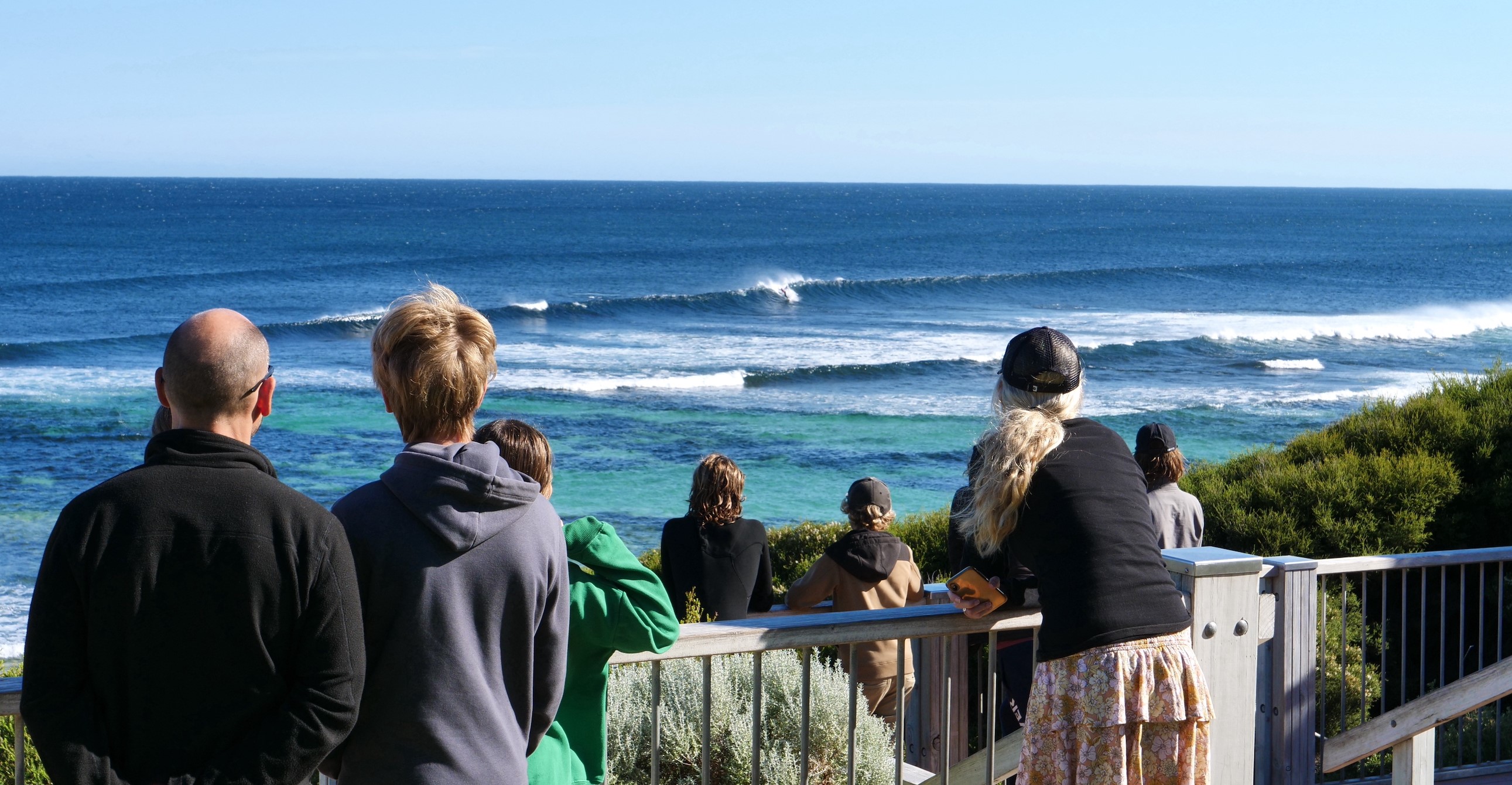
The Yallingup Shred Fest featured the best up-and-coming young surfers from across the country, and Plico was there to throw its support behind this...
.jpg) Zina Reeves : 27/04/2023
Zina Reeves : 27/04/2023
The very best junior surfers from across the country came together in Yallingup for Shred Fest this April. Plico was proud to be part of the action,...