

1 min read
Unpacking the IPCC Climate Change 2022 Report
The Intergovernmental Panel on Climate Change has just released its latest report on the impacts of climate change, and while much of it isn’t...

Solar + Battery Rebates, Loans and Discounts available!
Find out what incentives you're eligible for and how much you could save.

Interest-free loan now available!
Find out if you're eligible for the NSW $15,000 intertest-free loan.

Solar + Battery Rebates, Loans and Discounts available!
Find out what incentives you're eligible for and how much you could save.

Interest-free loan now available!
Find out if you're eligible for the WA $10,000 intertest-free loan.
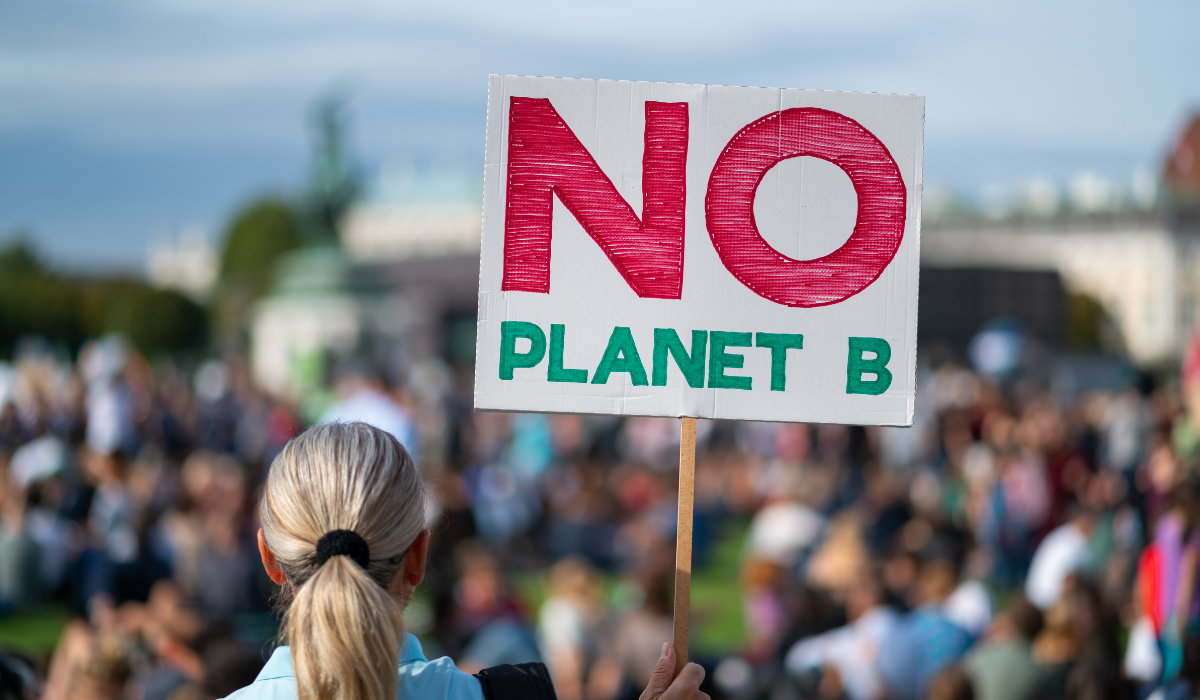
In the fight against climate change, we have essentially lost round one. Rising temperatures, sea-level rise and melting ice caps are now irreversible, according to the latest report from the Intergovernmental Panel on Climate Change (IPCC).1
Everywhere on earth is now being impacted by climate change, from the ocean depths to the ice caps and everywhere in between. And for the first time, the IPCC states unequivocally that humans are responsible for almost all of it .
United Nations Climate Change Secretary-General, Antonio Guterres, has called the latest report “a code red for humanity.” Unless there are immediate, rapid and large-scale reductions in greenhouse gas emissions, limiting warming to close to 1.5°C or even 2°C will be beyond reach.
While this report is alarming, there is still a window of opportunity to act. If we act now. The more countries, businesses and individuals that reduce carbon and other greenhouse gas emissions before 2030, the more chance we have of averting the most severe impacts of climate change.
World leaders need to do their part and commit to net-zero emissions at the upcoming COP26 summit. Time has run out for complacency and procrastination - we need real, tangible and measurable emissions reduction targets.
Changing to sustainable energy can really move the needle the right way on climate change, because electricity generation is Australia’s biggest greenhouse gas contributor. You can also switch to greener transport options like electric vehicles, public transport or swapping the car for your bike or walking. Take a closer look at your diet and where your food comes from, as well as the waste you are producing. Composting is a great way to reduce methane, another harmful greenhouse gas, from landfill. It’s also great for your garden! Set a good example for your children, as well as family and friends by living more sustainably.
And to get more action from our elected leaders, write to your local state and federal members of parliament to let them know you want a net-zero emissions target confirmed and committed to this November.
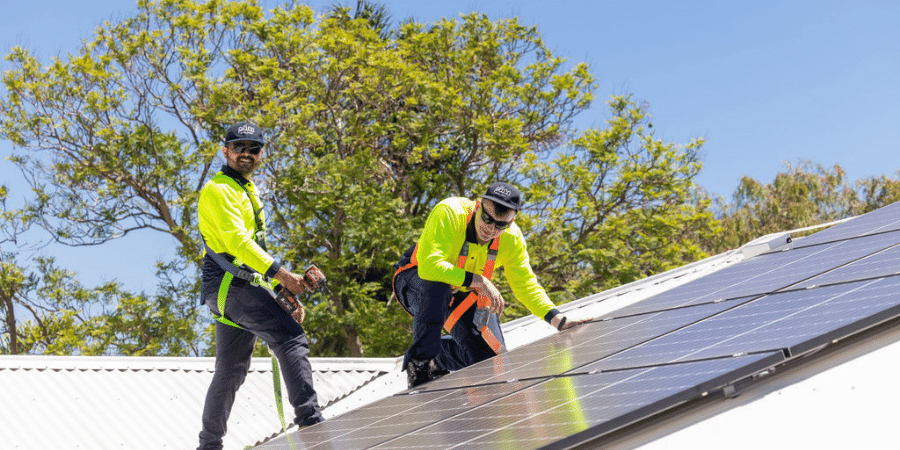
To take climate action at home, speak to one of our switched-on team on 1300 175 426 about installing a solar + battery system and start generating, storing and using your own clean energy 24/7.
1 min read
The Intergovernmental Panel on Climate Change has just released its latest report on the impacts of climate change, and while much of it isn’t...
1 min read
If you’ve seen the news lately, then you’re probably across some of the devastating impacts of climate change gripping the planet…today. No longer a...
1 min read
We all know that the future is looking bright for solar.One in three households in Australia now has rooftop solar. However, while we all recognise...