

We’re powering homes with Solar + Battery + VPP

Select your state  

Western Australia
New South Wales

In another state? Click here for more information.

Plico Team 15/01/2025 69 min read

The Best Solar Batteries in Australia

The solar battery landscape is constantly evolving, with new technologies emerging and trusted products cementing themselves as market leaders. If you’re looking for the best solar battery Australia has to offer, Plico’s experts have done the research so you don’t have to!

As a tech-agnostic company, Plico focuses on helping our members get the best-performing solar batteries and solar systems at the best prices. Our team monitors trends in renewable energy and solar storage across Australia, making sure our recommendations are practical for both new installations and upgrades to an existing solar system.

In this guide, we’ll explore the best solar batteries in Australia today, comparing features, performance and value. Let’s see which products deliver the most reliable, efficient and cost-effective storage solutions.


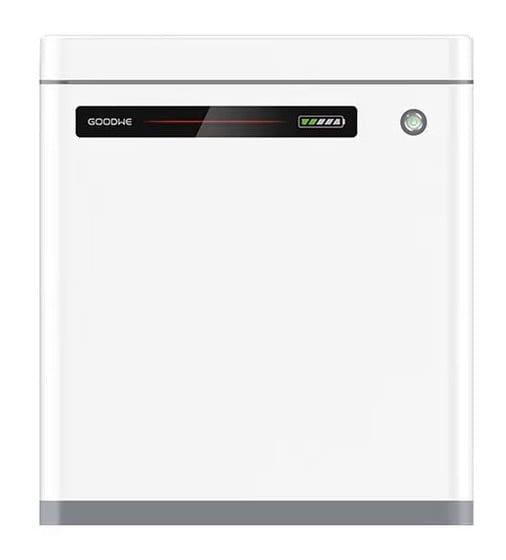
Best off-grid solar battery: GoodWe Lynx Home U

battery-goodwe-lynx-home-u-series-54-kwh7

Image of GoodWe Lynx Home U Series

The GoodWe Lynx Home U is specifically designed for off-grid residential energy storage, delivering safe and reliable performance for homes that aren’t connected to the main grid. The LiFePO4 chemistry ensures long-lasting durability, while the IP65-rated enclosure supports a wide range of installation locations. The battery’s auto-reboot function and remote diagnostics make it particularly suited for households in remote or rural locations that require consistent energy supply without constant monitoring.

Features

  • Modular system for capacity expansion
  • LiFePO4 technology for safety and longevity
  • Auto-reboot functionality
  • Remote diagnosis and monitoring
  • IP65 rated ingress protection
  •  

Specifications

Nominal voltage:

51.2V

Nominal capacity:

5.4 ~ 32.4 kWh

Usable capacity:

4.8 ~ 28.8 kWh

Dimensions:

505mm x 570mm x 175mm

Weight:

57 ~ 342 kg

Operating temperature range:

-10 ~ 50°C

Ingress protection rating:

IP65

Depth of Discharge (DoD):

90%


Benefits

The Lynx Home U is strong in reliability for off-grid applications. Its low-voltage design prevents common safety risks and auto-reboot ensures minor disruptions don’t interrupt household energy supply. Remote diagnostics reduce the need for frequent on-site maintenance, while the modular setup allows households to increase storage gradually to match changing energy needs.

Price

A GoodWe solar battery is a strong pick for households on a budget. The smallest 5.4 kWh battery starts at around $3,500, excluding installation. The 9.6 kWh unit costs approximately $6,200 and the 14.4 kWh is around $9,000. Installation expenses generally range between $800 and $1,500 depending on wall or floor mounting complexity.

Additional modules can be purchased as necessary, spreading costs out over time. Homeowners should note that off-grid systems typically require more energy storage than grid-connected homes, particularly during periods of low solar production.

Drawbacks

Being fully off-grid requires active energy management. Extended cloudy weather or high usage can quickly deplete storage. Firmware updates are manual and adding higher capacities may require additional inverters or panels to optimise performance.


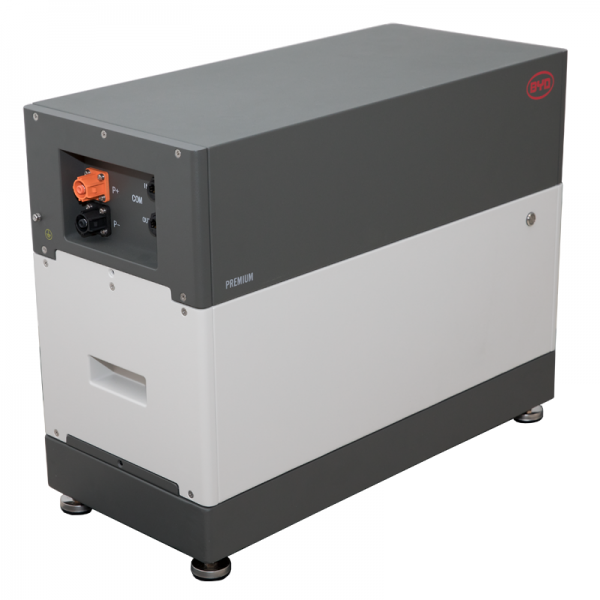
#5: BYD Premium LVS 

BYD Premium LVS

Image of BYD Battery-Box Premium LVS 4.0

BYD Premium LVS batteries provide flexible storage for grid-connected and hybrid solar systems, offering stackable modules that enable precise configuration of household energy capacity. These batteries are compatible with a wide range of solar inverters, making them an excellent choice for homeowners upgrading an existing solar system.

Features

BYD solar batteries have a range of interesting features to keep customers happy, such as:

  • LiFePO4 technology for safety and longevity
  • Stackable modules for flexible expansion
  • IP55 rated ingress protection
  • Extendable system design
  • Round-trip efficiency up to 96%

    Specifications

    Nominal voltage:

    51.2V

    Nominal capacity:

    4 ~ 24 kWh

    Usable capacity:

    4 ~ 24 kWh

    Dimensions:

    (528 ~ 1693)mm x 650mm x 298mm

    Weight:

    64 ~ 289 kg

    Operating temperature range:

    -10 ~ 50°C

    Ingress protection rating:

    IP55

    Depth of Discharge (DoD):

    96%


Benefits

BYD’s Premium LVS stands out for its broad compatibility. The stackable module design allows households to tailor storage to their exact needs while the round-trip efficiency ensures maximum solar power utilisation. The wide inverter compatibility simplifies integration with both new and existing solar systems, reducing installation complexity and downtime. It's also been designed for easy maintenance, making it practical for long-term residential use.

Price

Because of the stackable nature of BYD batteries, your out-of-pocket costs depend primarily on how much storage you need. On the low end, we’re looking at around $2,000 for batteries only, excluding installation and inverter costs. On the high end, it’s closer to $15,000 if you purchase all the bells and whistles. Depending on your household needs, BYD could be an affordable option.

Drawbacks

BYD batteries are still relatively new to the Australian market and long-term performance data under local climate conditions is limited. Some older models have been discontinued, potentially limiting future expansion. Careful planning is required to ensure compatibility with inverters and adequately meet household power demand.


#4: Tesla Powerwall 2 

Tesla_Powerwall_2

Image of Tesla Powerwall 2

The Tesla Powerwall 2 is a high-performance, grid-connected battery that delivers reliable solar self-consumption and provides continuous backup power during outages. Its liquid cooling system maintains stable operation under Australian heat, while the Tesla app enables households to monitor energy consumption, track charging patterns and receive alerts in real-time.

Features 

Tesla solar batteries are known for having a variety of desirable features, such as: 

  • Round-trip efficiency up to 96%
  • Tesla app for monitoring and control
  • Liquid cooling for stable temperature performance
  • Flexible mounting options
  • 24/7 backup power compatibility

Specifications

Nominal voltage

230 V

Nominal capacity

14 kWh

Usable capacity

13.5 kWh

Dimension

1150 mm x 753 mm x 147 mm

Weight

114kg

Real power, max continuous

5 kW

Apparent power, max continuous

55 kVA

Working temperature

-20℃ - 50℃

Recommended temperature 

0℃ - 30℃ 

Warranty

10 years

DoD

96%*


*The Powerwall 2 has a DoD of 100% according to Tesla. However, they also noted the discrepancy between nominal and usable capacity, which makes the DoD 96%. If you see a DoD above 90%, what you’re actually witnessing is good marketing. If a battery’s capacity is 14 kWh and its usable capacity is 13 kWh, companies can list the official capacity as 13kWh and boast a 100% DoD (because it’s ‘using’ all of its 13 kWh capacity).

Benefits 

The Powerwall 2 allows households to confidently maintain power during blackouts while optimising solar energy usage. The app enables detailed monitoring and power management, including scheduled charging during peak solar production. Its liquid cooling system contributes to reliable operations across wide temperature ranges, while the sleek design allows for installation in small or tight spaces.

It also includes a feature that detects weather events that could cause blackouts and then prioritises charging to capacity so you have a backup if there’s an outage.


Price 

A Powerwall 2 costs around $12,000, with installation typically ranging from $2,000 to $3,500. Each unit provides 13.5 kWh of usable storage. Multiple units can be installed for larger energy needs, but the fixed battery size limits flexibility compared to modular systems.

Drawbacks 

The Powerwall 2 is limited to single-phase installations and a fixed battery size, restricting the flexibility for larger households. Upfront costs are very high, which can impact your return on investment, as well as offering much more limited options to customise your battery size or configuration.

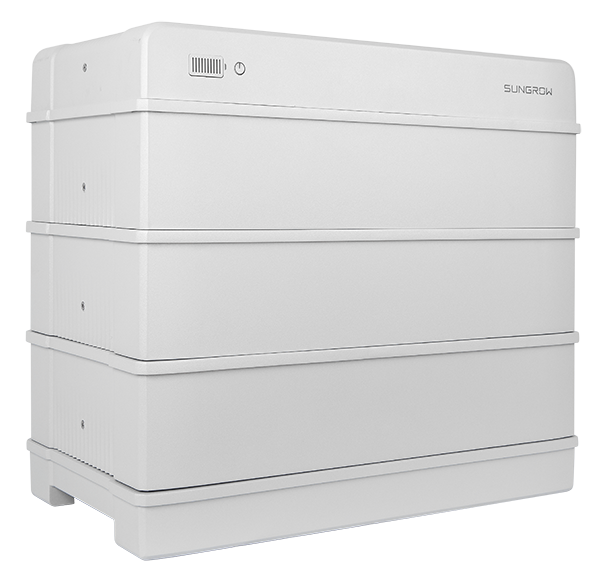
#3: Sungrow High Voltage LFP Battery 


Sungrow High Voltage LFP Battery

Image of Sungrow High Voltage LFP battery

Sungrow High Voltage LFP batteries offer significant usable power and safety for households wanting flexible solar storage. Multi-stage protections maintain safe operation and the standing design allows the unit to fit into a range of installation environments.

Features 

When you purchase a Sungrow solar battery, you can expect to enjoy features like:  

  • LiFePO4 technology for safety and longevity
  • Multi-stage protection system
  • Compact, free-standing design
  • Expandable capacity from 9-100 kWh
  • Up to 100% usable energy

    Specifications

  •  

    Nominal voltage:

    128 ~ 512V

    Nominal capacity:

    9.6 ~ 25.6 kWh

    Usable capacity:

    9.6 ~ 25.6 kWh

    Weight:

    89kg ~ 279 kg

    Operating temperature range:

    0 ~ 50°C (charge)
    -20 ~ 50°C (discharge)

    Ingress protection rating:

    IP55

    Depth of Discharge (DoD):

    100%


Benefits 

Sungrow batteries deliver high efficiency for daily solar self-consumption. Their multi-stage protections allow for safe operation even in high-temperature environments and installation in a wide range of locales and confined spaces. A wide range of capacity options allows households to select the necessary storage for their needs without oversizing, making it ideal for smaller and larger residential systems.

Price 

A small 9.6 kWh setup costs around $2,500, while mid-range 25.6 kWh systems are about $6,500. Installation costs range from $1,000 to $1,800 depending on module count and mounting requirements. Additional modules can be purchased as household power needs change, avoiding the costly replacement of an entire system.

Drawbacks 

Customer support in Australia is still developing, and system design must be carefully configured to integrate efficiently with inverters. High-demand households may require additional equipment to fully utilise expansion potential. 


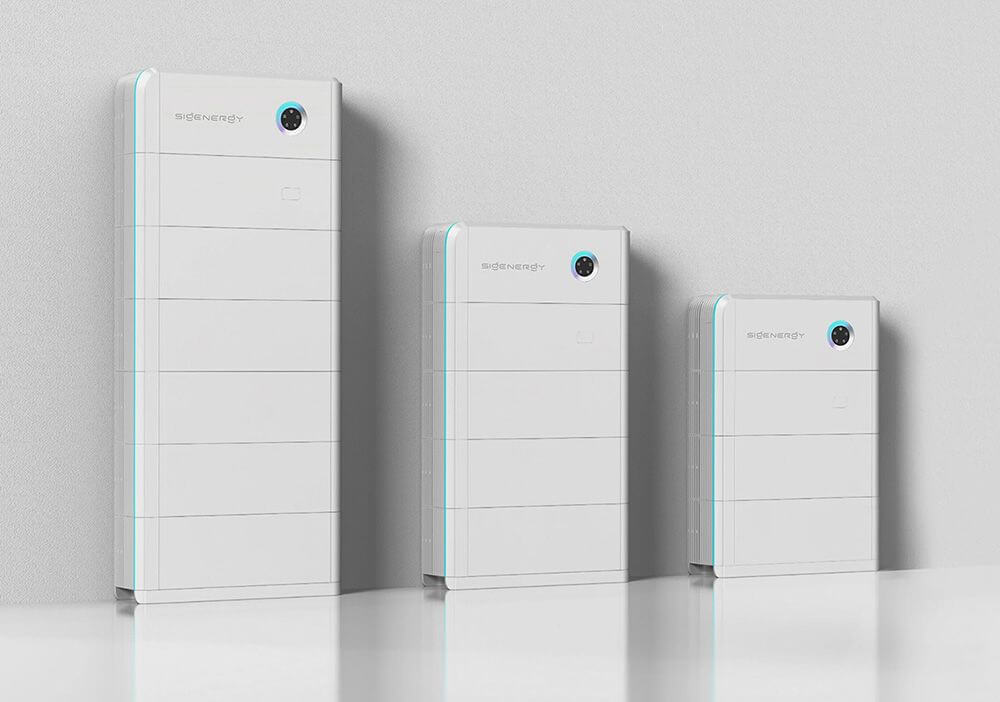
#2: SigenStor by Sigenergy

SigenStor by Sigenergy

 Image of SigenStor by Sigenergy 

The SigenStor is an all-in-one battery and inverter system designed to simplify installation while maximising solar power. Its AI-driven management optimises charging and discharging, helping households reduce reliance on the grid. SigenStor fits into a variety of locations and integrates smoothly with existing solar systems. LiFePO4 and IP65-rated protection ensure durability in Australian conditions, while the backup functionality provides peace of mind during outages.

Features

  • LiFePO4 technology for safety and longevity
  • Stackable modules for flexible expansion
  • 24/7 backup power compatibility
  • IP65-rated ingress protection
  • Broad inverter compatibility range

Specifications

Nominal voltage:

300 ~ 900V

Nominal capacity:

5.38 ~ 8.06 kWh

Usable capacity:

5.2 ~ 7.8 kWh

Dimensions:

767mm x 270mm x 265mm

Weight:

55 ~ 78 kg

Operating temperature range:

-20°C ~ 55°C

Ingress protection rating:

IP66

Depth of Discharge (DoD):

100%

Benefits

SigenStor stands out via its smart automation. Its AI dynamically manages charging and discharging, optimising energy use without manual intervention. The integration of battery and inverter reduces installation complexity, and app control provides insight and control over your power consumption. Backup functionality adds resilience, while modular expansion allows capacity to grow as household needs change.

Price

Entry-level 5 kWh systems start at around $4,500, while 10 kWh units cost around $8,500. Installation generally ranges from $1,000 to $2,000. Additional modules can be purchased later on, spreading costs and increasing storage capacity without replacing your system.

Drawbacks

Long-term performance in Australia is still being established. Firmware and software updates are necessary to maintain AI efficiency, and expansion must be carefully considered to meet household power needs.


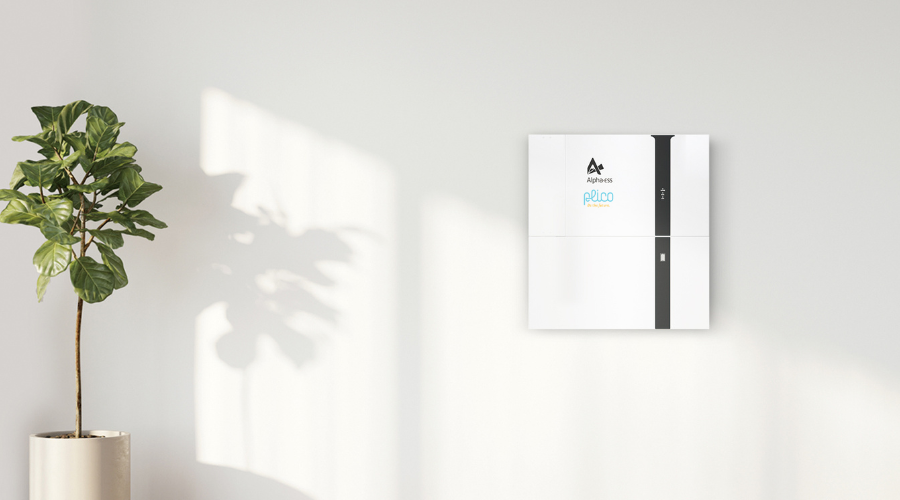
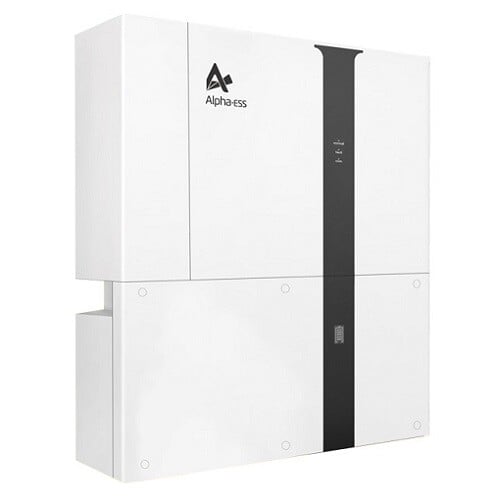
#1: AlphaESS SMILE-B3 PLUS

AlphaESS SMILE-B3 PLUS

Image of AlphaESS SMILE-B3 PLUS

AlphaESS Smile-B3 Plus solar battery’s consistent high performance and retrofit ability have caused a spike in popularity with Australian providers. It’s easy to install and low maintenance. For Aussies looking to make an easy transition into renewables, AlphaESS should be a leading contender. In fact, Alpha ESS had the largest market share in Australia in 2022. 

The Plico team have given it such a high score because the AlphaESS Smile-B3 Plus is durable and affordable, with a solid history of performance in Australia, thanks to their low cost point and ability to move large volumes of product. AlphaESS is moving with the times and their range of batteries and inverters are too. In terms of their Virtual Power Plant capabilities, Alpha battery systems can perform what is called Frequency Control Ancillary Services, something that will become all the more important as VPP grid services expand. In our opinion, these are the main boxes that need to be ticked! Add in the fact that it’s reasonably priced and you’re left with a high-performing battery that is accessible to a large portion of the market. 

Features

Some of the more notable features of AlphaESS batteries include:

  • All-in-one module
  • Modular design
  • LFP technology
  • 24/7 online tracking
  • IP65 protection
  • All solar inverter compatibility 

Specifications

Nominal voltage

48 V

Nominal capacity

5.04 kWh

Usable capacity

4.79 kWh

Dimension

640 mm x 250 mm x 725 mm

Weight

60 kg

Phase

Single Phase

Cycle life

6000

Operating temperature range

-10℃ - 50℃

Warranty

5 Years Product, 10 Years Battery Performance

DoD

95%


Benefits

The Smile-B3 Plus comes jam-packed with advantages like expansion, compatibility, and easy installation. This battery is expandable up to 30.24 kWh, making it perfect for households or businesses who want to increase their storage in the future without getting slammed with high installation costs and complicated system designs. The Smile-B3 Plus works with all solar inverters and comes Virtual Power Plant ready, meaning its performance and safety make it suitable to participate in VPPs. 

With the Smile-B3 Plus, you also get to experience LFP technology, one of the safest lithium battery types currently on the Australian market. That, coupled with an impressive temperature range of up to 50℃, makes this battery tough enough to withstand the harsh Aussie climate. 

Another big plus of the Smile-B3 Plus battery is that it looks great. The all-in-one module means everything is tucked neatly away and makes for hassle-free installation. 

Finally, all AlphaESS systems purchased in Australia carry an Australian warranty – which is reassuring should anything go wrong with your system. Better yet, when you join Plico we handle all your warranty claims and provide ongoing support for the time you are with us.   

Price

The cost of a Smile-B3 Plus battery is around $6,000 with a 5.05 kWh battery. In relation to performance levels, this is cost-effective and definitely a solid option if you want to make a good return on your investment. Because it’s easily expandable, you’ll save on installation costs if you want more storage down the track. With Plico, you can double the battery capacity of your Smile-B3 for under $3000.  

Drawbacks

Like every solar solution, the Smile-B3 Plus has a few drawbacks. When it comes time to reset the system, a panel must be removed to access the switchboard. This means the system looks great, but it can be daunting for some battery owners. At Plico, we assist our members manage their system for optimal performance. We have locally developed resources and a team of experts to assist. 


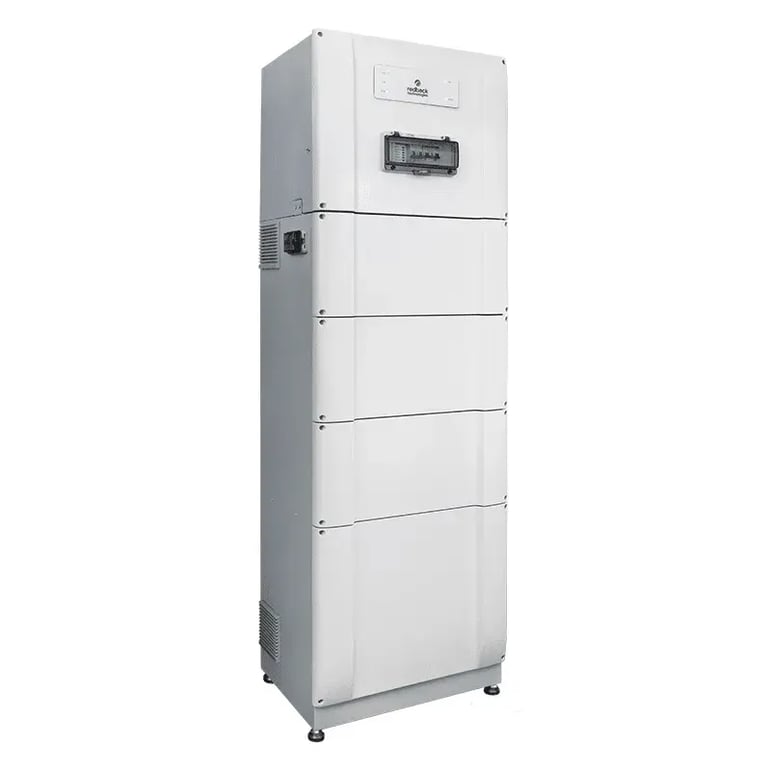
Honourable mention: Redback Smart Hybrid System

Solar_Batteries_Online_Redback_SB9600

Image of Redback Smart Hybrid System

Redback started the clean energy journey with us more than five years ago. Since then, Redback has diversified its product range to provide both battery and solar-only solutions. The Redback Smart Inverter for solar-only systems is affordable and robust for Australian conditions. For combined solar + battery systems, the Redback Smart Hybrid model presents a sleek all-in-one storage solution. If you’re not a fan of external cables, this battery energy storage system (BESS) is the way to go.  

Features

The Redback Smart Hybrid System is full of exciting features like:

  • User-friendly app and portal
  • All-in-one design
  • Expandable battery storage
  • Pre-wired BoS 
  • Optional expansion cabinet
  • Blackout protection

Specifications

Nominal voltage

48 V

Number of battery units

2 - 4 (up to 8 with expansion cabinet)

Maximum capacity

28.4 kWh (with expansion cabinet)

Dimension

518 mm x 352 mm x 1123 mm

Weight

132 - 203 kg

Material

Steel

Ingress protection rating

IP54

Operating temperature

-25℃ - 60℃

Battery type

Li-ion LFP

Warranty

10 years

DoD

90%

Benefits

The greatest benefit of a hybrid system is the all-in-one factor. Hybrid systems give you total power control while still being connected to the grid. You also get the benefit of being able to use your solar energy after dark and during blackouts. Many hybrid solar + battery systems allow you to continue to generate solar energy and use your stored energy in your home even when the grid is down. Hybrid systems are also very customisable. The Redback system in particular has an optional storage cabinet that takes your capacity up to 28.5 kWh.

Another upside to the Redback system is its user-friendly monitoring app. It keeps you connected to your system on the go. You can check out your energy usage and battery activity from the comfort of your own device. If you prefer your data on a larger screen, there’s also the Redback portal.

Price

The cost of your Redback Smart Hybrid System varies depending on product specifications. Since the system is so customisable, prices will fluctuate based on your storage capacity and system size. You’ll need a qualified installer who has experience installing hybrid systems. Complex installations can generate higher costs but if upfront costs aren’t your thing, don’t worry. Plico don’t believe in big upfront costs, and you can install your system for one low weekly instalment and have ongoing support for the length of your contract. Find out just how affordable a solar and battery system can be here

Drawbacks

The main drawback of a Redback Smart Hybrid System is its inability to go above 28 kWh. Having said that, this capacity is plenty for residential, so don’t let that put you off. For a larger system, the Redback is quite compact, and should be appropriate for any home. 


At Plico, we’re dedicated to delivering quality solar battery services, which is why we like to stay on top of the best equipment on the market. Chat to the switched-on people at Plico on 1300 175 426 about how solar + battery systems can help you save on your power bills and bring you one step closer to greater energy independence.


Have a question about solar + battery?

avatar

Plico Team

Plico is a leading Australian clean energy company building a sustainable energy grid for the future. Born and bred in WA, our innovative membership model puts power back into the hands of the community, allowing our members to save money, enjoy blackout protection and generate their own clean energy, all for one low weekly instalment.