
1 min read
Are Solar Batteries Worth It in 2026?
You don’t have to be a renewable energy aficionado to have noticed the rise in the popularity of solar batteries. With feed-in tariffs (the money you...

Solar + Battery Rebates, Loans and Discounts available!
Find out what incentives you're eligible for and how much you could save.

Interest-free loan now available!
Find out if you're eligible for the NSW $15,000 intertest-free loan.

Solar + Battery Rebates, Loans and Discounts available!
Find out what incentives you're eligible for and how much you could save.

Interest-free loan now available!
Find out if you're eligible for the WA $10,000 intertest-free loan.
3 min read
Sarah Molloy
:
September 7, 2026
Western Australia has reached a major clean energy milestone. More than 50,000 home batteries have now been installed across the state through the Federal Government's Cheaper Home Batteries Program, helping households store solar energy, lower power bills and take greater control of their energy use.
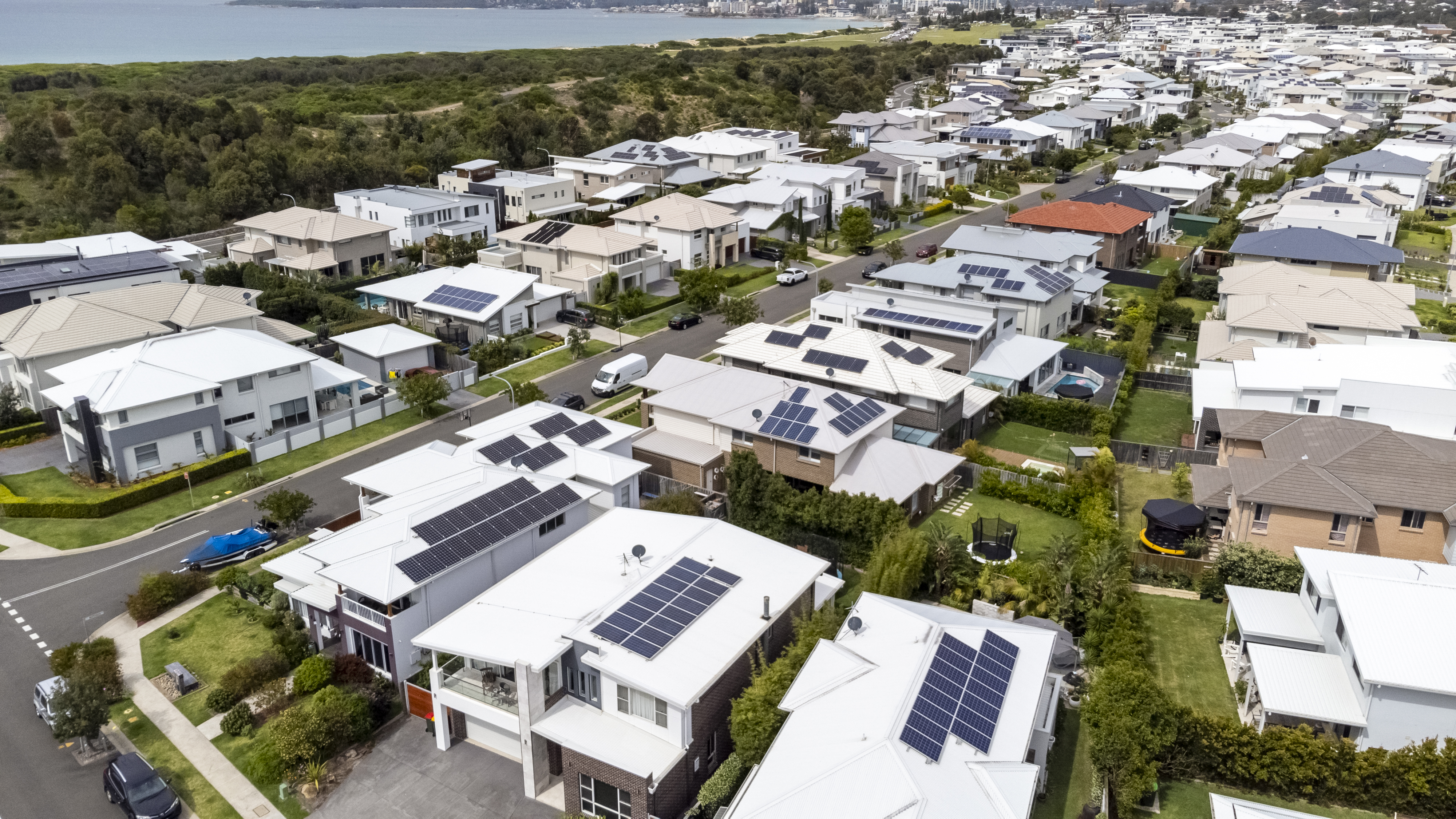
For a state already leading the nation in rooftop solar adoption, the rapid uptake of home batteries highlights a growing shift in how West Australians generate, store and use energy. As more households pair solar with battery storage, they're reducing reliance on the grid, maximising the value of their solar systems and building resilience against rising electricity costs.
The latest figures show WA households have installed more than 50,000 batteries, adding over 1.1 GWh of storage capacity across the state. At the same time, West Aussies continue to embrace rooftop solar, with more than 110 MW of new solar installed during the second quarter of 2026 alone, enough to power approximately 25,000 homes.
Importantly, battery ownership is no longer limited to early adopters or high-income households.
Government rebate programs have helped make battery storage more accessible, particularly in Perth's fast-growing outer suburban communities where families are looking for practical ways to reduce household expenses while making the most of their solar generation.
These households are making the most of the battery rebates; taking control of their energy and reducing cost-of-living pressures.
Some of the strongest battery uptake is occurring in Perth's outer metropolitan suburbs.
One standout area is the 6112 postcode, which includes Bedfordale and Armadale. This postcode has become WA's leading region for battery installations under the program, recording almost 1,800 battery installations and 48 MWh of storage capacity.
The battery boom is no longer centered on Perth's inner suburbs. Increasingly, it's the city's growth corridors that are leading the charge.
Across Perth's north, south and east, more households are turning to battery storage as a way to lower power bills and get more value from their rooftop solar systems. Plico's installation data reflects this shift, with Armadale (6112), Cockburn (6164) and Wanneroo (6065) ranking as the top postcodes for battery installations since 1 July 2025. Baldivis, Alkimos and Bullsbrook have also emerged as standout suburbs, demonstrating how battery adoption is becoming mainstream in some of WA's fastest-growing communities.
For Bedfordale residents David and Ellen Gibbs, the move to battery storage has delivered significant savings and greater energy independence.
The Gibbs family upgraded their existing solar system with two 20 kWh batteries after accessing support through both the WA Residential Battery Scheme and the Federal Cheaper Home Batteries Program.
Before the upgrade, their electricity bills were reaching as much as $1,200 per billing cycle. Their most recent bill came in at approximately $650, despite increasing their electricity use. They also replaced their gas-boosted solar hot water system with heat pumps, eliminating the need for regular gas bottle deliveries.
Like many households, the Gibbs family viewed battery storage as something that would have been difficult to justify financially without rebates. With government incentives helping to reduce upfront costs, the investment became far more achievable. According to the event brief prepared for the milestone announcement, David described the decision as a "no-brainer".
Their experience highlights what many WA households are discovering: batteries are not just about sustainability. They're increasingly becoming a practical tool for reducing energy costs and gaining greater control over household budgets.
David and Ellen were part of an exclusive 9 News Story celebrating the WA battery milestone in August 2026.
While Western Australia celebrates passing the 50,000-battery mark, the national story is equally impressive.
In August 2026, the Australian Government announced that more than 500,000 batteries had been installed nationwide through the Cheaper Home Batteries Program. The milestone reflects the rapid growth of battery adoption across Australia, where more than one in three households already has rooftop solar.
The program has been particularly popular in outer suburban and regional communities, with more than three-quarters of installations occurring outside inner-city areas. At the same time, the number of accredited battery installers has doubled to almost 9,000, supporting jobs and creating new opportunities for local businesses nationwide.
The Australian Energy Market Operator has also reported that home batteries are beginning to reshape electricity demand, helping households use stored solar energy after sunset and reducing peak demand on the grid. This is helping create a more stable electricity system while putting downward pressure on energy prices.
Western Australia has long been a solar success story. Now it's becoming a battery success story too.
As battery costs continue to fall and incentive programs support adoption, more households are recognising the value of storing the solar energy they already generate. For families, that means lower power bills, greater energy independence and protection from future price rises. For the broader community, it means a cleaner, stronger and more reliable electricity system.
Crossing the 50,000-battery milestone is an achievement worth celebrating. But it may prove to be just the beginning of WA's journey towards a smarter, more decentralised energy future.
And Plico is proud to be part of it!
Read more on WA's 50,000 home batteries:
WA Today | The Perth suburbs where power bills cost less than a small cup of coffee
PV Magazine | 50,000 cheaper home batteries powering WA homes and businesses
Australian Government | Joint media release: 50,000 cheaper home batteries powering WA homes and businesses
1 min read
You don’t have to be a renewable energy aficionado to have noticed the rise in the popularity of solar batteries. With feed-in tariffs (the money you...
1 min read
In exciting news for all West Aussies, the WA Government has introduced a Residential Battery Scheme that is now open for applications as of July 1....
1 min read
Solar + battery systems are effective when using 3-phase power supplies. In these systems, three wires deliver solar power at a constant voltage,...